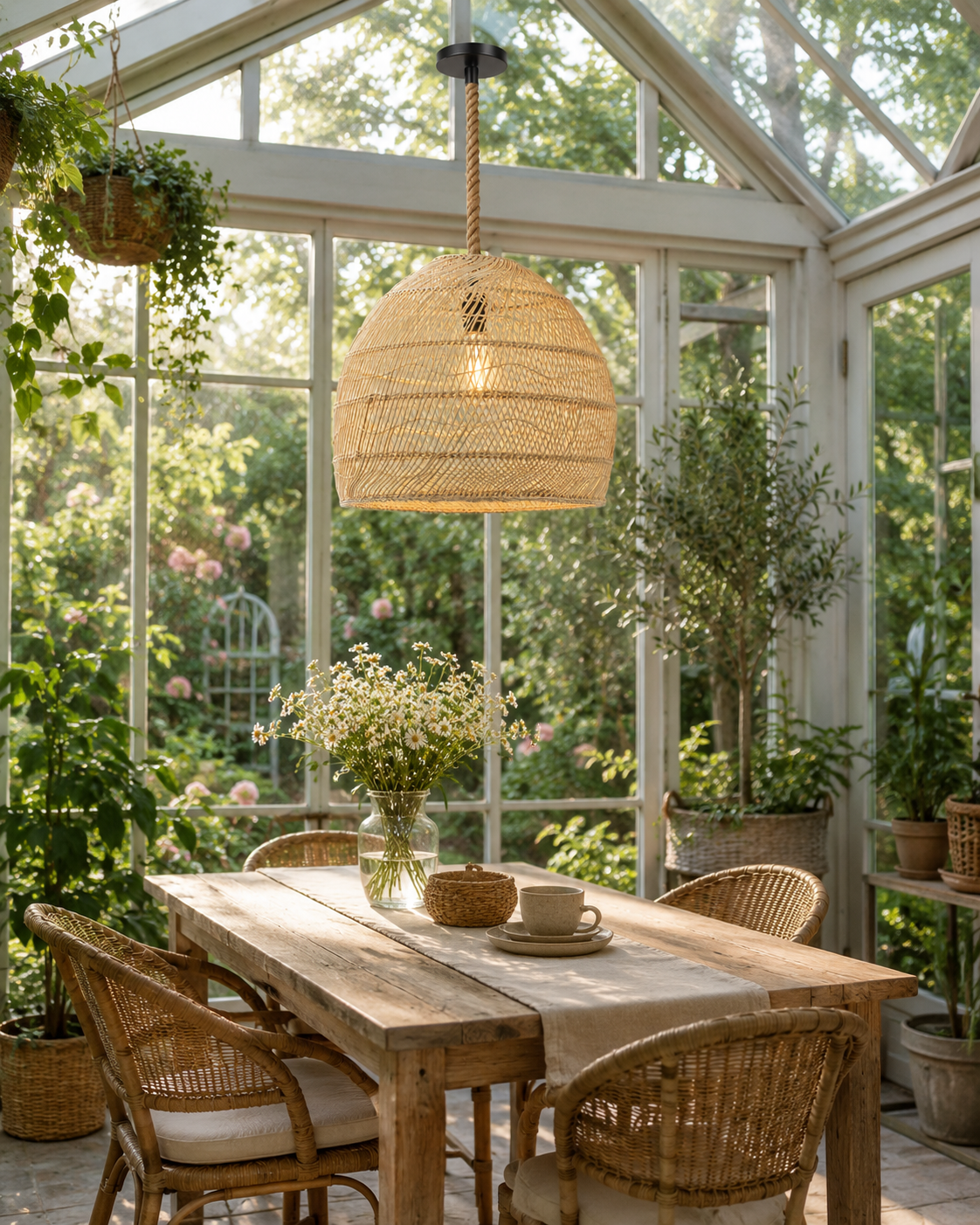
How to Style a Modern Dining Room with Rattan Pendant Lights
This long-form guide explores how homeowners and designers can create a sophisticated modern dining room using natural materials, layered lighting, balanced proportions, and handcrafted fixtures. Rattan lighting has become a defining feature of contemporary interiors because it combines warmth, texture, sustainability, and timeless design appeal. A carefully selected rattan pendant light can transform an ordinary dining area into a welcoming gathering space while supporting both functionality and aesthetics.
Modern dining rooms are no longer viewed solely as places to eat. They have evolved into multifunctional environments used for entertaining guests, family gatherings, remote work, celebrations, and everyday living. Because lighting influences mood and atmosphere, choosing the right fixture is one of the most important design decisions. Designers frequently use a braided wabi-sabi modern hand Woven natural rattan pendant light to introduce natural texture and artisan craftsmanship into contemporary interiors.
Why Rattan Pendant Lights Work So Well
Rattan offers a unique combination of visual softness and structural durability. Unlike metal or glass fixtures that can sometimes feel cold, rattan introduces warmth and organic character. A rattan pendant light diffuses illumination beautifully, helping create a relaxed dining environment. Natural fibers also complement wood furniture, stone surfaces, neutral textiles, and modern architectural elements.
Many homeowners appreciate the sustainable nature of rattan. As environmental awareness grows, consumers increasingly prefer renewable materials and handcrafted products. A braided wabi-sabi modern hand Woven natural rattan pendant light aligns perfectly with this movement by combining eco-conscious design with timeless elegance.
Start with the Dining Table
The dining table should be the foundation of the room. The shape, size, and finish of the table influence every other design decision. Rectangular tables pair beautifully with elongated fixtures, while round tables often work best with a single statement pendant or compact natural rattan chandelier. Consider the overall scale of the room to ensure visual balance.
Wooden dining tables are especially effective when paired with natural lighting materials. Oak, walnut, ash, and reclaimed wood all complement rattan textures while reinforcing an organic design aesthetic.
Choosing the Right Fixture Size
Scale is critical when styling a modern dining room. A fixture that is too small can appear insignificant, while an oversized fixture may overwhelm the space. Designers typically choose a woven pendant lamp that occupies a substantial visual presence without obstructing sightlines across the table.
For larger rooms, a natural rattan chandelier can create a dramatic focal point while maintaining warmth and softness. Proper sizing ensures that lighting feels integrated rather than disconnected from the overall design.
Create Layers of Light
Successful dining room design rarely relies on a single light source. Layered lighting combines ambient, task, and accent illumination to create flexibility and comfort. The primary pendant provides overall atmosphere, while wall sconces, floor lamps, or recessed lighting add depth and functionality.
A woven pendant lamp can serve as the centerpiece of this layered approach. The shadows created by woven fibers introduce texture and visual interest that enhance the dining experience.
Incorporate Wabi-Sabi and Japandi Influences
Modern dining rooms increasingly incorporate Wabi-Sabi and Japandi design principles. These styles emphasize simplicity, natural materials, craftsmanship, and intentional living. A braided wabi-sabi modern hand Woven natural rattan pendant light embodies these values through organic textures and subtle imperfections.
Neutral color palettes, handcrafted ceramics, linen textiles, and minimal decorative elements help reinforce the calm atmosphere associated with these design philosophies.
Color Palette Considerations
Rattan lighting works best when paired with earthy, natural tones. Shades of beige, cream, taupe, warm gray, soft brown, and muted green create harmonious environments. Black accents can add contrast while preserving a contemporary appearance.
Because rattan introduces visual texture, surrounding elements should remain relatively restrained. This balance prevents the room from feeling cluttered while allowing the fixture to remain a focal point.
Pairing with Contemporary Furniture
One misconception is that rattan belongs only in coastal or rustic interiors. In reality, a rattan pendant light can complement highly modern furniture. Clean-lined dining chairs, minimalist cabinetry, stone surfaces, and metal accents provide an attractive contrast to handcrafted textures.
This contrast is one reason designers frequently specify natural rattan chandelier designs in luxury residential and hospitality projects. The combination feels sophisticated, approachable, and timeless.
Using Bohemian Elements Carefully
Bohemian influences continue to shape contemporary interior design. Thoughtfully selected boho lighting can add personality and warmth without overwhelming the room. Natural fibers, woven details, and artisan craftsmanship help create visual interest while maintaining a cohesive aesthetic.
A woven pendant lamp often bridges the gap between modern minimalism and boho lighting trends, making it an ideal choice for homeowners seeking balance.
Styling Accessories Around the Fixture
Accessories should support rather than compete with the lighting fixture. Handmade ceramics, textured table runners, natural wood serving pieces, and simple greenery can reinforce the organic atmosphere. Avoid excessive ornamentation that distracts from the lighting centerpiece.
A natural rattan chandelier benefits from surrounding decor that highlights craftsmanship and material authenticity. The goal is to create visual harmony throughout the room.
Open-Concept Dining Spaces
Many modern homes feature open-concept layouts where dining rooms connect directly to kitchens and living areas. In these spaces, lighting helps define functional zones. A rattan pendant light visually anchors the dining area while maintaining continuity with adjacent rooms.
Designers often repeat natural materials throughout the home to strengthen cohesion. Rattan, wood, linen, and stone create a consistent design language that feels intentional and refined.
Sustainability and Long-Term Value
Consumers increasingly seek products that combine beauty with environmental responsibility. Handcrafted fixtures made from renewable materials support sustainable lifestyles while delivering lasting visual appeal. A braided wabi-sabi modern hand Woven natural rattan pendant light offers both aesthetic and environmental benefits.
Unlike trend-driven products that quickly become outdated, natural materials tend to remain relevant for years. This longevity makes artisan lighting a valuable investment.
Commercial Inspiration for Residential Spaces
Boutique hotels, restaurants, and upscale cafes frequently use natural rattan chandelier installations to create memorable guest experiences. Homeowners can borrow these strategies by focusing on atmosphere, comfort, and material richness.
Large-scale woven fixtures often inspire emotional responses because they combine sculptural beauty with practical function. This dual purpose explains their continued popularity.
Common Mistakes to Avoid
One common mistake is selecting lighting without considering room proportions. Another is mixing too many competing textures and styles. Successful dining room design depends on restraint and balance. Let the fixture become the focal point while supporting elements remain cohesive.
Overly bright bulbs can also diminish the atmosphere. Warm illumination typically complements rattan textures more effectively than cool-toned lighting.
Future Design Trends
The popularity of natural materials continues to grow. Designers increasingly favor handcrafted products that reflect authenticity, sustainability, and individuality. A natural rattan chandelier, woven pendant lamp, or carefully crafted rattan pendant light aligns perfectly with these evolving preferences.
As consumers prioritize wellness and meaningful living environments, artisan-made fixtures are expected to remain highly desirable across residential and commercial projects.
Conclusion
Styling a modern dining room with rattan lighting involves much more than selecting a fixture. It requires thoughtful consideration of scale, materials, color palettes, furniture, and atmosphere. Whether incorporating a braided wabi-sabi modern hand Woven natural rattan pendant light, a decorative rattan pendant light, an elegant woven pendant lamp, carefully curated boho lighting accents, or a statement natural rattan chandelier, the goal is to create a welcoming space that balances functionality with timeless beauty. Through craftsmanship, sustainability, and natural texture, rattan lighting continues to define some of the most inspiring dining rooms in contemporary interior design.
SEO Tags: braided wabi-sabi modern hand Woven natural rattan pendant light, braided wabi-sabi modern hand Woven natural rattan pendant light, braided wabi-sabi modern hand Woven natural rattan pendant light, rattan pendant light, rattan pendant light, rattan pendant light, woven pendant lamp, woven pendant lamp, woven pendant lamp, boho lighting, boho lighting, boho lighting, natural rattan chandelier, natural rattan chandelier, natural rattan chandelier, natural rattan chandelier.
READ MORE
How to Decorate a Japandi Living Room with Woven Pendant Lighting
Why Natural Rattan Pendant Lights Make Homes Feel Warmer
Hand Woven vs Machine-Made Pendant Lights: What’s the Difference?
What Is Wabi-Sabi Lighting and Why Is It So Popular?