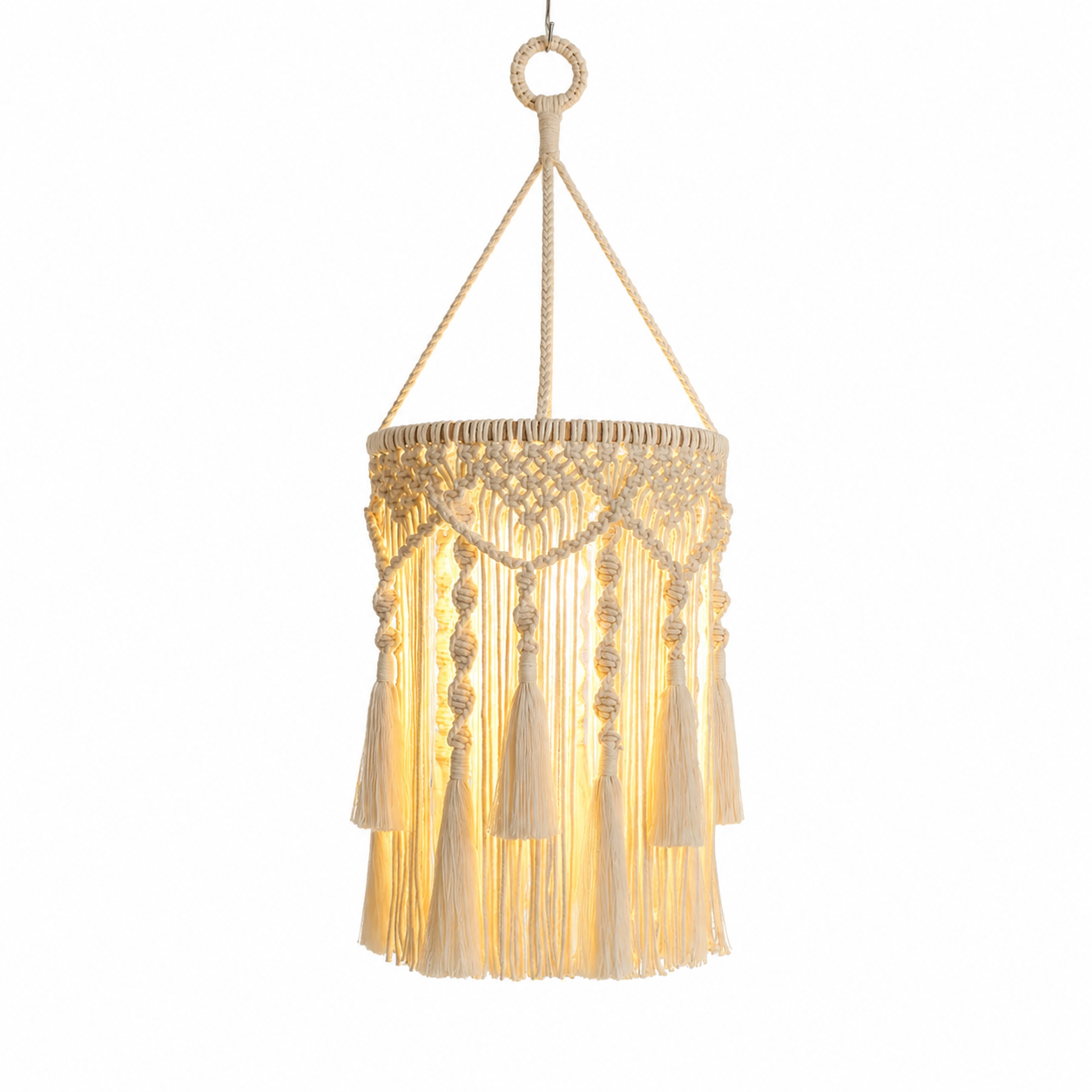
What Makes Handwoven Rattan Pendant Lights Special?
Over the past decade, interior design trends have shifted dramatically toward natural materials, organic textures, and emotionally comforting spaces. As people move away from cold industrial interiors and overly polished mass-produced decor, one lighting category has quietly become a favorite among designers, architects, boutique hotels, cafes, and modern homeowners: the handwoven rattan pendant light.
Among the most sought-after designs today is the braided wabi-sabi modern hand Woven natural rattan pendant light. This style combines natural craftsmanship with modern minimalism, creating lighting that feels warm, artistic, calming, and timeless. Yet despite their growing popularity, many customers still hesitate before purchasing one. They ask practical questions such as: Why are handwoven lamps so expensive? What is the actual difference between handwoven and machine-made lights? Is a rattan pendant light truly worth buying? Why do interior designers constantly recommend them? Does natural rattan look cheap? And why do these woven lights often appear more luxurious than metal or plastic fixtures?
These are important questions because lighting is not only functional. Lighting shapes the atmosphere, personality, and emotional experience of a room. A carefully selected woven pendant light can completely transform an ordinary interior into a space that feels peaceful, welcoming, sophisticated, and visually layered.
This article explores exactly what makes handmade woven lighting special and why natural rattan pendant lights continue to dominate modern interior design.
The Growing Popularity of Natural Woven Lighting
Modern consumers increasingly value authenticity, sustainability, and craftsmanship. Instead of decorating homes with purely decorative items that lack meaning, people now prefer products with texture, story, and human connection. This is one reason why handmade pendant lighting has become so desirable.
Natural woven lighting introduces warmth into spaces that may otherwise feel too sterile. In contemporary homes filled with concrete, glass, marble, and black metal finishes, woven rattan adds softness and visual balance. The texture itself immediately makes rooms feel more relaxed and livable.
At the same time, woven lighting fits multiple interior styles. A boho pendant light creates a relaxed vacation-inspired atmosphere. A japandi pendant ligh introduces minimal elegance with natural warmth. Coastal interiors use woven fixtures to create airy comfort, while Scandinavian spaces use them to soften minimalist environments.
Unlike trendy decor items that disappear after one season, woven pendant lighting has remained consistently popular because it feels timeless rather than temporary.
Why Are Handwoven Lights More Expensive?
One of the most common customer concerns is price. Many people compare handmade woven lights to cheaper factory-made alternatives online and wonder why there is such a large price difference.
The answer begins with craftsmanship.
A machine-made fixture can be produced rapidly through automated processes. Factories use molds, synthetic materials, and mass-production systems to create thousands of identical products every day. These products prioritize efficiency and low cost.
In contrast, a braided wabi-sabi modern hand Woven natural rattan pendant light requires skilled artisans who carefully weave each piece manually. Every curve, opening, and woven pattern is shaped by hand. Depending on the complexity of the design, a single fixture may require many hours of detailed labor.
Natural rattan is also more difficult to work with than synthetic materials. Artisans must carefully select, soften, bend, and weave each strand while maintaining structural balance and aesthetic consistency. If the weaving tension is uneven, the fixture may become distorted over time. If the material is too dry, it may crack during production.
This level of craftsmanship cannot be replicated by automated machinery.
When customers purchase handmade pendant lighting, they are not simply paying for a light source. They are investing in artisan skill, design quality, material authenticity, and visual uniqueness.
The Difference Between Handwoven and Machine-Made Lighting
At first glance, machine-made woven lamps may appear similar to handcrafted versions. However, the differences become obvious when viewed in real spaces.
1. Material Quality
Machine-made products often use plastic fibers or synthetic imitation rattan. These materials are cheaper and easier to manufacture, but they lack the warmth and texture of natural fibers.
Real natural rattan contains subtle color variations, organic texture, and natural flexibility that synthetic materials cannot fully imitate. These imperfections actually enhance the beauty of the final product.
2. Visual Depth
Handwoven fixtures create more layered shadows and softer lighting diffusion. The small irregularities in handmade weaving allow light to pass through naturally, creating warm patterns on surrounding walls and ceilings.
Machine-made lighting often feels too uniform and rigid. The symmetry may appear visually flat rather than artistic.
3. Emotional Character
Mass-produced products often feel generic because identical copies exist everywhere. Handmade products carry subtle differences that make each fixture feel personal and authentic.
This emotional character is one reason designers strongly prefer artisan-made lighting.
4. Durability
High-quality handmade woven lights often use carefully dried and treated natural rattan that lasts for years when properly maintained. Cheap factory-made versions may discolor, weaken, or deform much faster.
For homeowners, restaurants, boutique hotels, and cafes, durability matters because lighting strongly affects the perceived quality of the entire space.
Why Designers Love Handwoven Pendant Lighting
Interior designers consistently choose woven lighting because it solves multiple design challenges at once.
Modern interiors sometimes become visually cold due to excessive use of hard surfaces such as concrete, glass, steel, and stone. Woven lighting introduces texture and softness without overwhelming the room.
A braided wabi-sabi modern hand Woven natural rattan pendant light immediately creates warmth, depth, and visual comfort. Designers appreciate how woven fixtures make spaces feel more human and emotionally inviting.
Another reason designers love woven lighting is versatility. These fixtures work beautifully across many design styles:
Bohemian interiors use woven lighting for relaxed artistic texture.
Japandi spaces combine woven materials with minimalist furniture and neutral palettes.
Coastal homes use woven pendant lights to create airy beach-inspired comfort.
Modern organic interiors rely on natural materials to soften architectural lines.
Rustic contemporary spaces use woven lighting to balance wood, stone, and metal finishes.
Because woven fixtures complement so many aesthetics, designers can confidently use them in residential, hospitality, and commercial projects.
How Wabi-Sabi Influences Modern Lighting Design
The concept of wabi-sabi has become increasingly influential in modern interior design. Originating from Japanese philosophy, wabi-sabi celebrates simplicity, imperfection, authenticity, and natural beauty.
Rather than pursuing flawless perfection, wabi-sabi values materials that feel organic, aged, textured, and emotionally grounding.
This philosophy perfectly aligns with handwoven rattan lighting.
A braided wabi-sabi modern hand Woven natural rattan pendant light often includes subtle asymmetry, natural texture variation, and handcrafted imperfections that make the fixture feel calm and authentic. These characteristics help interiors feel less artificial and more emotionally balanced.
In modern life, many people experience visual overload from digital screens, artificial lighting, and highly manufactured environments. Wabi-sabi interiors create emotional relief by reconnecting people with natural textures and quieter visual experiences.
This emotional comfort is one reason woven lighting continues to grow in popularity worldwide.
Does Natural Rattan Look Cheap?
Some customers worry that rattan may look outdated or inexpensive. This perception usually comes from low-quality synthetic products or poorly designed furniture from past decades.
However, premium woven lighting has completely transformed how natural rattan is perceived in contemporary design.
Today’s luxury interiors increasingly prioritize natural texture over shiny perfection. Instead of filling homes with highly reflective materials and decorative excess, designers now focus on layered simplicity, tactile warmth, and visual calmness.
Natural rattan contributes beautifully to this design philosophy.
When crafted properly, handmade pendant lighting feels elegant rather than cheap. The weaving patterns create visual sophistication, while the organic texture introduces richness that smooth industrial materials often lack.
High-end hotels, luxury resorts, boutique restaurants, and designer homes regularly use woven pendant lights specifically because they create warmth and understated luxury.
Cheap-looking woven lighting usually results from poor craftsmanship, synthetic materials, or unbalanced proportions. Well-designed artisan lighting feels refined, sculptural, and timeless.
Why Woven Lighting Feels More Luxurious
Luxury design has evolved significantly over the past several years.
Traditional luxury often emphasized shiny finishes, ornate decoration, and expensive-looking materials. Modern luxury, however, focuses more on atmosphere, authenticity, craftsmanship, and emotional experience.
Handmade pendant lighting reflects this new definition of luxury perfectly.
Rather than demanding attention through excessive decoration, woven lighting creates sophistication through subtlety. The soft shadows, layered texture, and warm glow create spaces that feel peaceful and elevated.
People today increasingly associate luxury with emotional comfort rather than visual excess. A calm and beautifully balanced environment often feels more luxurious than a space filled with flashy decorative objects.
A braided wabi-sabi modern hand Woven natural rattan pendant light contributes to this atmosphere by adding natural movement and softness to interiors.
The woven structure interacts beautifully with both natural daylight and evening illumination. During the day, the fixture acts as a sculptural decorative element. At night, it transforms into a warm atmospheric light source.
This versatility increases both functional and aesthetic value.
Why Rattan Pendant Lights Are Worth Buying
Customers often wonder whether investing in premium woven lighting is truly worthwhile. The answer depends on what they value most in interior design.
If someone only needs a basic functional light source, cheaper machine-made products may be sufficient. However, customers seeking atmosphere, craftsmanship, and timeless style usually find woven lighting highly worthwhile.
Rattan pendant lights offer several major long-term benefits:
1. Timeless Design
Natural woven materials have remained relevant for decades because they connect interiors to nature. Unlike trend-driven decor items, woven lighting rarely feels outdated.
2. Emotional Warmth
Lighting strongly affects mood. Woven fixtures soften interiors and create more relaxing environments.
3. Versatility
Woven lighting works across many styles and room types, including dining rooms, bedrooms, cafes, resorts, kitchens, and living areas.
4. Sustainability
Natural rattan is renewable and environmentally friendlier than many synthetic materials.
5. Artisan Craftsmanship
Customers increasingly appreciate products made by skilled artisans rather than automated factory systems.
These benefits help explain why woven lighting remains a strong investment for modern interiors.
The Role of Texture in Interior Design
Texture is one of the most important yet overlooked aspects of interior design.
Without texture, rooms can feel flat and emotionally empty. Smooth surfaces such as polished stone, painted drywall, glass, and metal need contrast to feel visually balanced.
Handwoven lighting introduces this missing dimension.
The woven texture immediately adds complexity and softness without requiring bold colors or excessive decoration. This makes woven fixtures especially valuable in neutral interiors where designers want subtle visual interest.
A boho pendant light may use layered weaving and dramatic organic forms to create artistic texture, while a japandi pendant ligh may use cleaner lines and softer weaving patterns for minimalist elegance.
Both styles demonstrate how texture transforms emotional atmosphere.
Why Handmade Products Feel More Meaningful
Beyond aesthetics, many consumers are emotionally drawn to handmade products because they feel more personal.
Mass-produced products often lack individuality because identical versions exist everywhere. Handmade products carry subtle differences that reflect human craftsmanship.
Customers increasingly value products with stories behind them. Knowing that artisans carefully shaped and wove each fixture by hand creates emotional connection.
This emotional value cannot easily be measured, but it strongly influences purchasing decisions.
In a world dominated by fast production and disposable consumer culture, handmade pendant lighting offers something slower, more thoughtful, and more enduring.
How Woven Lighting Improves Different Spaces
Dining Rooms
Woven pendant lights above dining tables create intimate atmosphere and warm evening lighting. The texture softens conversations and encourages relaxed social interaction.
Bedrooms
Natural woven lighting creates calmness and comfort in sleeping spaces. Soft ambient lighting helps bedrooms feel more peaceful and restorative.
Cafes and Restaurants
Restaurants frequently use handmade pendant lighting because it makes spaces feel welcoming and memorable. Customers tend to stay longer in emotionally comfortable environments.
Resorts and Hospitality Spaces
Luxury resorts often use woven lighting to connect interiors with natural surroundings. The organic texture supports relaxation and vacation atmosphere.
Living Rooms
A statement woven pendant fixture can act as both functional lighting and sculptural decor.
The Future of Natural Lighting Design
Interior design trends continue moving toward sustainability, authenticity, and natural materials. Consumers increasingly reject disposable decor and seek products with lasting emotional value.
Because of this shift, handmade woven lighting is likely to remain highly relevant for many years.
Designers are also experimenting with new weaving techniques, larger sculptural forms, layered textures, and mixed-material combinations that combine rattan with linen, wood, brass, and ceramic elements.
This evolution allows woven lighting to feel modern while still maintaining traditional craftsmanship.
The braided wabi-sabi modern hand Woven natural rattan pendant light represents this balance beautifully. It combines timeless artisan techniques with contemporary minimalist aesthetics.
Final Thoughts
Handwoven rattan pendant lights are special because they combine craftsmanship, texture, atmosphere, sustainability, and emotional warmth in ways that machine-made products rarely achieve.
Although handmade lighting costs more, the higher price reflects artisan labor, natural materials, design quality, and long-term aesthetic value. These fixtures are not simply functional objects. They become part of the emotional experience of a room.
The difference between handwoven and machine-made lighting becomes obvious in real spaces. Handmade woven fixtures feel softer, warmer, more authentic, and more visually layered.
Designers continue choosing woven lighting because it balances modern interiors beautifully while introducing natural texture and human warmth. Whether styled as a boho pendant light, a japandi pendant ligh, or a sculptural statement piece, woven lighting creates atmosphere that feels calm, luxurious, and timeless.
For homeowners and designers seeking interiors that feel meaningful rather than generic, the braided wabi-sabi modern hand Woven natural rattan pendant light remains one of the most compelling lighting choices available today.
SEO Keywords
handmade pendant lighting, boho pendant light, japandi pendant ligh, woven rattan pendant light, natural wicker hanging fixture, artisan woven ceiling lamp, handcrafted rattan lighting, luxury woven chandelier, eco friendly pendant lighting, modern bohemian ceiling light, organic texture ceiling light, woven orb pendant light, sustainable woven decor, natural fiber pendant lamp, handcrafted ceiling fixture, woven hanging light shade, artisan wicker chandelier, premium handmade lighting, woven bamboo pendant light, coastal woven lighting, Scandinavian woven pendant, luxury resort lighting, warm ambient woven lamp, decorative wicker pendant light, woven lighting for dining room, handcrafted boho lighting, Japandi woven ceiling light, textured rattan chandelier, woven organic pendant lamp, minimalist natural lighting, artisan woven lamp shade, handcrafted interior lighting, sustainable rattan decor, premium woven ceiling fixture, woven modern chandelier, handmade natural pendant lamp, rustic contemporary lighting, designer woven ceiling fixture, elegant rattan hanging lamp, luxury artisan lighting
Tags: handmade pendant lighting, boho pendant light, japandi pendant ligh, woven rattan pendant light, organic texture ceiling light
READ MORE